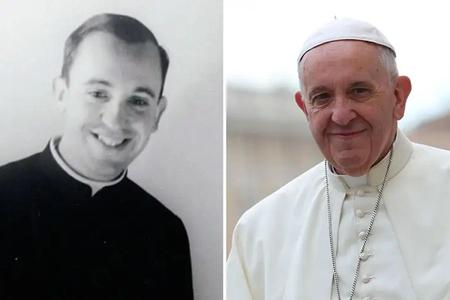
The death of Pope Francis has brought great sadness to many in the world including myself. His progressive interpretation of Catholic doctrine brought relief to many who had previously been ostracised by the hard-line stand of many in the church hierarchy. Sadly, although he implored the clergy to be more tolerant and accepting, real and lasting reform was outside his grasp.
It still remains part of the published Catechism of the Catholic Church, that Priests cannot be married (Unless they are part of the Eastern Right of the Church and are married before they take their final vows. Or are married Anglican priests who have converted to Catholicism.), and women cannot be ordained into the priesthood or become deacons. If divorced Catholics remarry, their new marriage is not recognised by the church. Married couples cannot use artificial means to avoid procreation, abortion is tantamount to murder, and same-sex relationships are sinful. On all these issues, Pope Francis called for tolerance and understanding, but it remains to be seen whether the next Pope will share these sentiments.
In my novel, Pope Dreams – Pope Peter the Improbable, the underlining premise is that, after the death of a good Pope, the conservative forces will regroup to retake control again. However, the Holy Spirit has other ideas and puts the image of a married father of six in the dreams of the Cardinal electors, as the next Pope. The novel is a satire and a farce, but the fear of conservative forces wanting to take control of the church, comes from my personal experience as a pastoral councillor in three separate Catholic parishes during the late 1990s and early 2000s. The priests I worked with during this time, shared the progressive values of Pope Francis. They saw that with the decline in ordinations, the future of the Church rested with empowering the laity, men and women, to have a more active role in both running the parish at a practical level and providing pastoral care to the broader congregation. This delegation of authority and responsibility from the ordained priesthood to the laity, was not looked on kindly by the hierarchy of the time. Aging parish priests were meant to work themselves into an early grave, by doing the same work that was formerly done with the help of assistant priests, and they were to do this work across several parishes.
This conflict came to a head in the last parish where I served as a pastoral councillor. The parish priest was moved on and the pastoral associate, was told by the diocesan administrators, that her services were no longer required. Although she was an employee of the parish, pastoral councillors had no say in this decision. However, the decision was promptly reversed when we took our reservations directly to the parishioners during the Sunday services. But the parish was never the same after this intervention from the Diocese.
The new parish priest provided no spiritual comfort, the pastoral associate started receiving hate mail, leading to her eventual resignation, and, although I now believe that the issues raised about the running of our parish came from outside the parish community, a schism formed between parishioners as we didn’t know who was on whose side. For the record, the diocese has a different view of these events. The pastoral associate was not sacked, it was just that her contract was up for renewal and the new parish priest, of his own volition, decided that he didn’t need to renew it. It was only after he discovered the angst this has caused within the parish community, that he graciously recognised the error of his ways.
So, this is why it is with great trepidation that I await the appointment of a new pope. Will he or she (just kidding), be as benevolent and accepting as our dear Jorge Mario Bergoglio, and will that benevolence translate to real change to Church doctrine which is necessary for it to remain relevant to the needs of the faithful.
 Stephen D'Agata
Leave a comment